
Introduction
Choosing a childcare center can be one of the most consequential decisions parents make in the early years of their child’s life. Quality childcare can support cognitive development, emotional regulation, language acquisition, and even future school success. Yet for many parents, evaluating the quality of childcare can feel subjective, confusing, or even overwhelming.
In this guide, we break down what childcare quality really means, how to recognize it when you see it, and what red flags to watch out for. Whether you’re a first-time parent, relocating, or re-evaluating your current arrangement, this article offers a practical, evidence-based framework to help you feel confident and informed.
What Does “High-Quality Childcare” Really Mean?
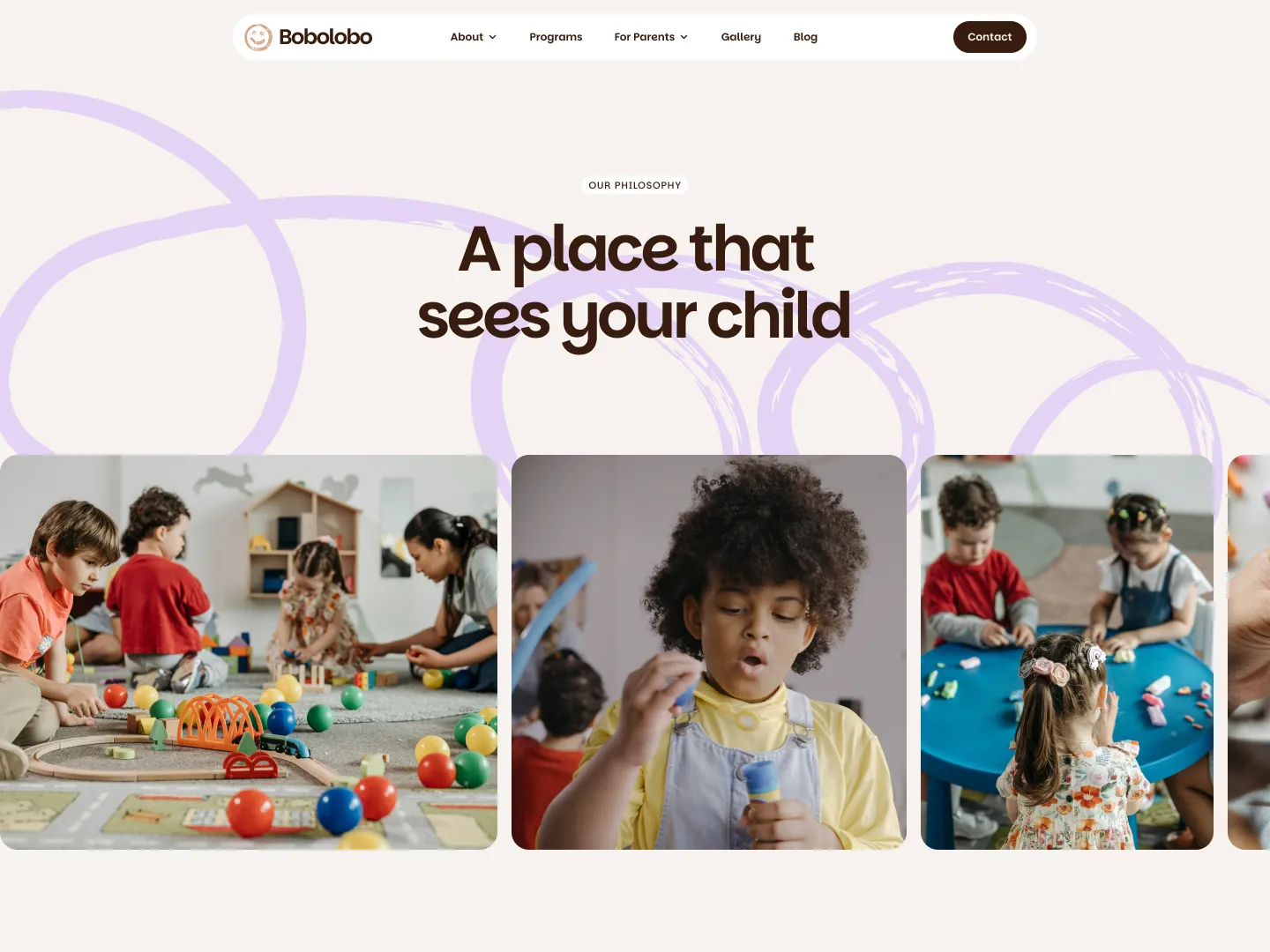
At its core, high-quality childcare provides a safe, nurturing, and stimulating environment where children can grow physically, socially, emotionally, and intellectually. But beyond that, the term is shaped by four overlapping dimensions:
- Structural Quality – Things you can measure: adult-to-child ratios, staff qualifications, group sizes, and facilities.
- Process Quality – The daily interactions children have with caregivers, peers, and learning materials.
- Curriculum Quality – The content, philosophy, and intentionality behind daily activities and routines.
- Environmental Quality – The physical layout, cleanliness, safety, and emotional atmosphere of the space.
Let’s look at each in detail.
1. Structural Quality: What to Look for
These are the backbone metrics that support a center’s ability to provide quality care. Key indicators include:
a. Child-to-Teacher Ratio
Lower ratios mean more attention for each child. For infants, the best practice is 1:3 or 1:4; for toddlers, 1:4 to 1:6; and for preschoolers, 1:8 to 1:10.
Why it matters: A lower ratio supports safety, individualized learning, and emotional bonding.
b. Group Size
Even with a good ratio, large group sizes can lead to overstimulation and reduced supervision. Ideally, group sizes should be:
- Infants: no more than 6–8 per group
- Toddlers: no more than 10–12
- Preschoolers: no more than 18–20
c. Staff Credentials
Look for certifications in early childhood education, CPR/First Aid, and continuing education. Experienced educators are more likely to recognize developmental milestones and support children appropriately.
d. Licensing and Accreditation
Make sure the center is licensed by the state and if possible, accredited by a national body like NAEYC (National Association for the Education of Young Children) or NECPA.
2. Process Quality: Relationships and Daily Interactions
This is where real quality comes to life and where it’s most visible during a tour or drop-in visit.
a. Warm, Responsive Caregiving
Watch how caregivers interact. Do they:
- Speak gently and respectfully to children?
- Make eye contact and get down to the child’s level?
- Offer comfort when a child cries?
- Encourage curiosity without rushing?
Children thrive when they feel seen, heard, and supported.
b. Language-Rich Environment
Is the room full of storytelling, singing, conversations, and open-ended questions? Are children encouraged to express themselves and listen to others?
c. Positive Behavior Guidance
Discipline isn’t about punishment. High-quality centers use redirection, modeling, and logical consequences. You’ll rarely hear yelling or see children isolated for extended periods.
d. Daily Routines and Transitions
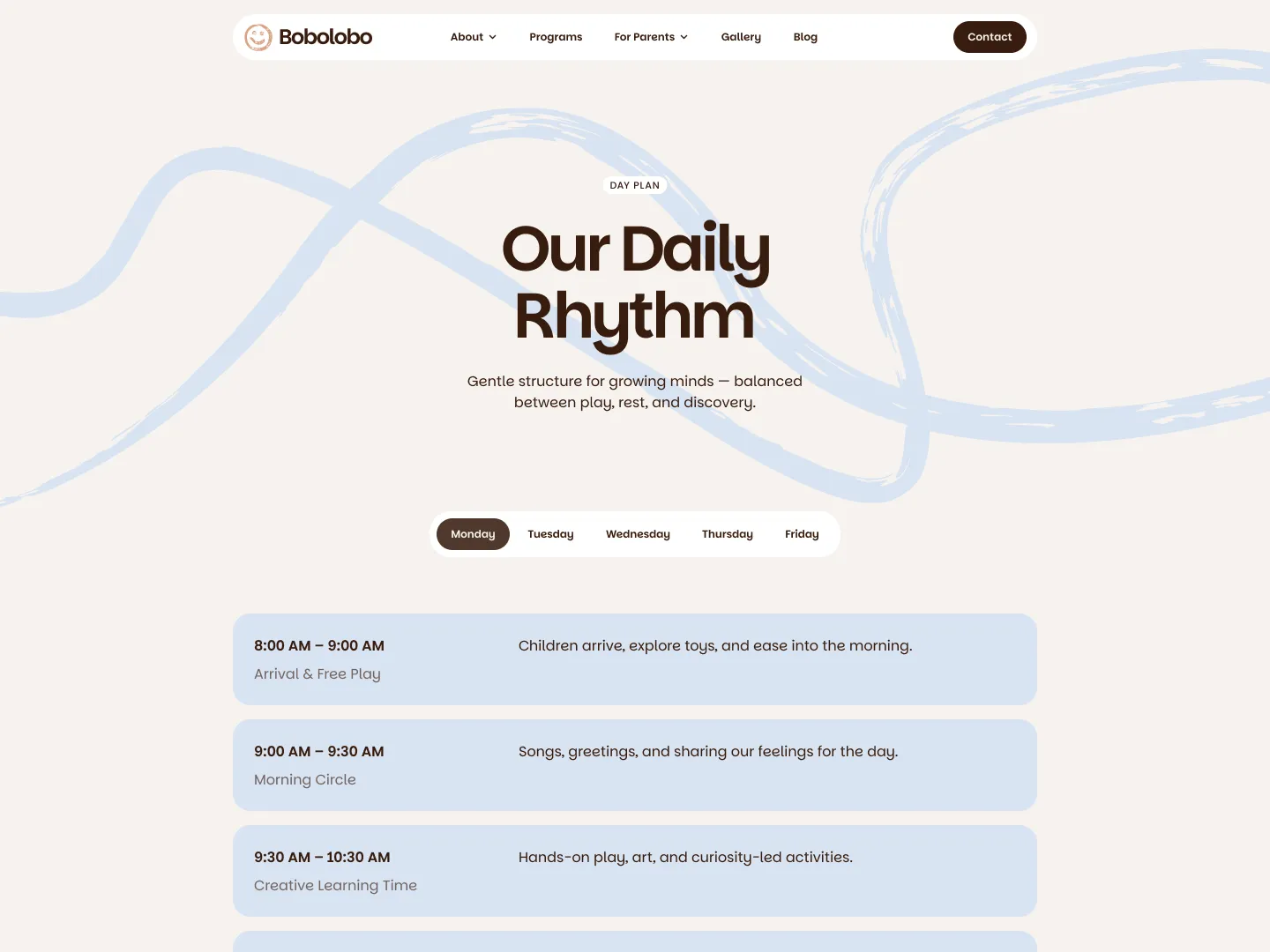
Are meals, naps, and activities predictable and well-managed? Smooth transitions reduce anxiety and help children feel secure.
3. Curriculum Quality: What Are They Learning, and How?
Curriculum isn’t just about ABCs and 123s. It’s about how children are supported in exploring the world, developing executive function, and building social-emotional skills.
a. Play-Based Learning
Children learn best through play. Look for:
- Imaginative play areas (kitchen sets, dress-up)
- Construction and STEM materials (blocks, puzzles)
- Arts and crafts stations
- Outdoor time and gross motor activities
b. Intentionality Behind Activities
Ask the teachers or director:
- “What skills are you targeting in today’s activity?”
- “How do you support kids at different levels?”
- “How do you track progress or developmental milestones?”
A high-quality center doesn’t just “babysit;” it educates through intentional engagement.
c. Cultural and Linguistic Responsiveness
Does the curriculum reflect diversity in language, race, family structure, and traditions? Do books, music, and toys represent a range of cultures?
d. Inclusion of Children with Special Needs
If applicable, check for inclusive practices; specialists, differentiated instruction, adaptive materials, or staff trained in supporting diverse learners.
4. Environmental Quality: Safety, Cleanliness, and Atmosphere
A high-quality environment is one where children feel secure, inspired, and empowered to explore.
a. Safety Measures
- Secure entry and exit points
- Clean, age-appropriate toys and furniture
- First aid kits visible and accessible
- Allergy-aware food practices
b. Cleanliness and Organization
Rooms should be:
- Tidy, not sterile
- Labeled and organized by learning centers
- Free from choking hazards and moldy or broken toys
c. Emotional Tone
You can sense it immediately: Is the center calm and joyful, or chaotic and stressed? Children are emotionally attuned and will mirror the tone of the environment.
What Questions Should Parents Ask During a Tour?
Don’t be afraid to ask direct questions during a visit. Here are 10 powerful ones:
- What’s your child-to-teacher ratio for each age group?
- What qualifications do your staff members hold?
- How do you handle discipline or behavioral issues?
- What’s a typical day like here?
- How do you support children who are shy, energetic, or nonverbal?
- Are there structured learning times, or is it mostly play-based?
- How often do you clean toys and surfaces?
- What’s your sick child and vaccination policy?
- How do you communicate with parents: daily reports, apps, phone calls?
- Can I observe a classroom before enrolling?
Red Flags to Watch Out For
Even well-decorated centers can hide dysfunction. Watch for:
- Staff speaking harshly or ignoring crying children
- Poor lighting or dirty floors
- Crowded classrooms with minimal supervision
- Lack of visible learning materials
- No clear schedule or daily rhythm
- Poor communication or dismissive responses from staff
Trust your gut. If something feels off, it probably is.
Evaluating Home-Based vs. Center-Based Childcare: What You Need to Know
While this article focuses primarily on formal childcare centers, it’s important to recognize that many families also consider licensed in-home (or home-based) childcare as a viable alternative. Both options can provide nurturing, safe environments, but they differ in several ways that may influence your decision depending on your family’s needs.
Home-based care typically involves smaller group sizes, often including mixed-age children in a cozy, residential setting. This smaller scale can foster closer relationships between caregiver and child, offering a personal touch that appeals to many parents, especially those with very young or emotionally sensitive children. Home-based providers may also offer more flexible hours, which can be a lifesaver for working parents with non-traditional schedules.
On the other hand, center-based care often features larger groups, usually divided by age group, and follows a more structured schedule. These centers may use a formal curriculum, sometimes even one that is accredited, to ensure developmental milestones are being met. With multiple caregivers and administrative staff, center-based care may offer more consistency and oversight. Regulations for these centers are typically stricter, with regular inspections, standardized safety procedures, and professional licensing requirements that parents may find reassuring.
That said, regulation and quality can vary significantly in home-based care depending on state laws and how closely the provider follows best practices. Some home-based providers are exceptional, offering structured learning, low child-to-caregiver ratios, and nurturing relationships. Others may not meet the same standards of care or safety.
Parent Involvement and Feedback
High-quality centers welcome parent involvement. This can include:
- Parent-teacher conferences
- Volunteer opportunities
- Family events
- Feedback forms and surveys
Transparent communication, whether through an app, newsletter, or daily chat, shows a commitment to partnership.
How Do You Measure Learning in the Early Years?
In preschool, quality isn’t just test scores. Look for:
- Portfolios of children’s work
- Observational notes
- Developmental checklists
- Goal-setting meetings
Centers may use tools like Ages & Stages Questionnaires (ASQ) or Teaching Strategies GOLD to track growth across motor skills, social-emotional behavior, and literacy.
The Role of Gut Instinct
Beyond checklists and credentials, one thing matters most: Does your child feel safe and excited here?
Watch how they respond to the environment. Observe how they interact with caregivers. Sometimes, your intuition picks up what metrics can’t.
Final Thoughts: Choose What Works for Your Family
There is no “perfect” center. What matters is alignment with your child’s temperament, your family’s values, your budget, and your work schedule.
Use this framework to:
- Compare centers with objectivity
- Ask the right questions
- Observe what really matters
- Feel confident in your decision
A high-quality childcare environment isn’t just a safe place to leave your child; it’s a foundation for lifelong learning, empathy, and resilience.